Selected work
Complex problems. Integrated products. Measurable results.
From independent inventions and advanced rebuilds to professional industrial systems, ncKraft brings the right mix of mechanical, electronic, and software development to each problem.
PROJECT / 01
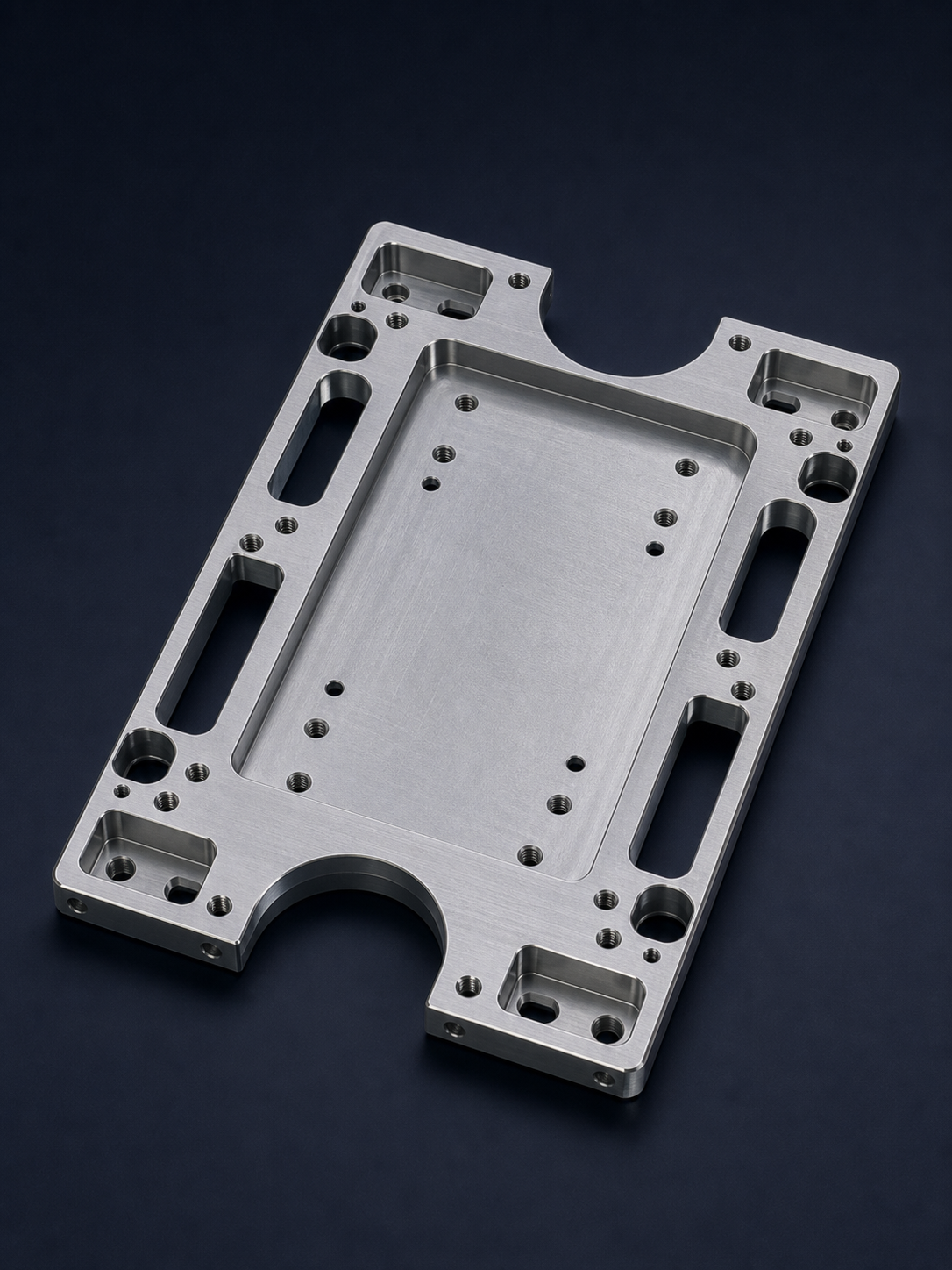
CONTAINCustom PCB, motor, and servos in one protected structure
SIMPLIFYTwo-sided construction for faster assembly
STRENGTHENMachined aluminum for a rigid uniframe
Independent invention · Mechanical design · CNC machining
A rigid aluminum uniframe that protects a robot’s electronics and makes assembly easier.
An independent robotics maker needed a custom housing for a project built around a custom PCB, motor, and servos. The structure had to protect those components, reduce assembly complexity, and preserve the rigidity required by the robot.
ncKraft developed a simple two-sided frame that brought the major components into one compact mechanical structure. Machined aluminum provided the strength the application needed while keeping the design practical to assemble and service.
What we built
- A custom uniframe designed around the PCB, motor, servos, and their mounting requirements
- A two-sided construction that protects the equipment while simplifying assembly
- Machined aluminum frame components that provide a rigid foundation for the complete robot
Result: A simple, effective housing that met the project’s protection, assembly, and rigidity requirements.
PROJECT / 02
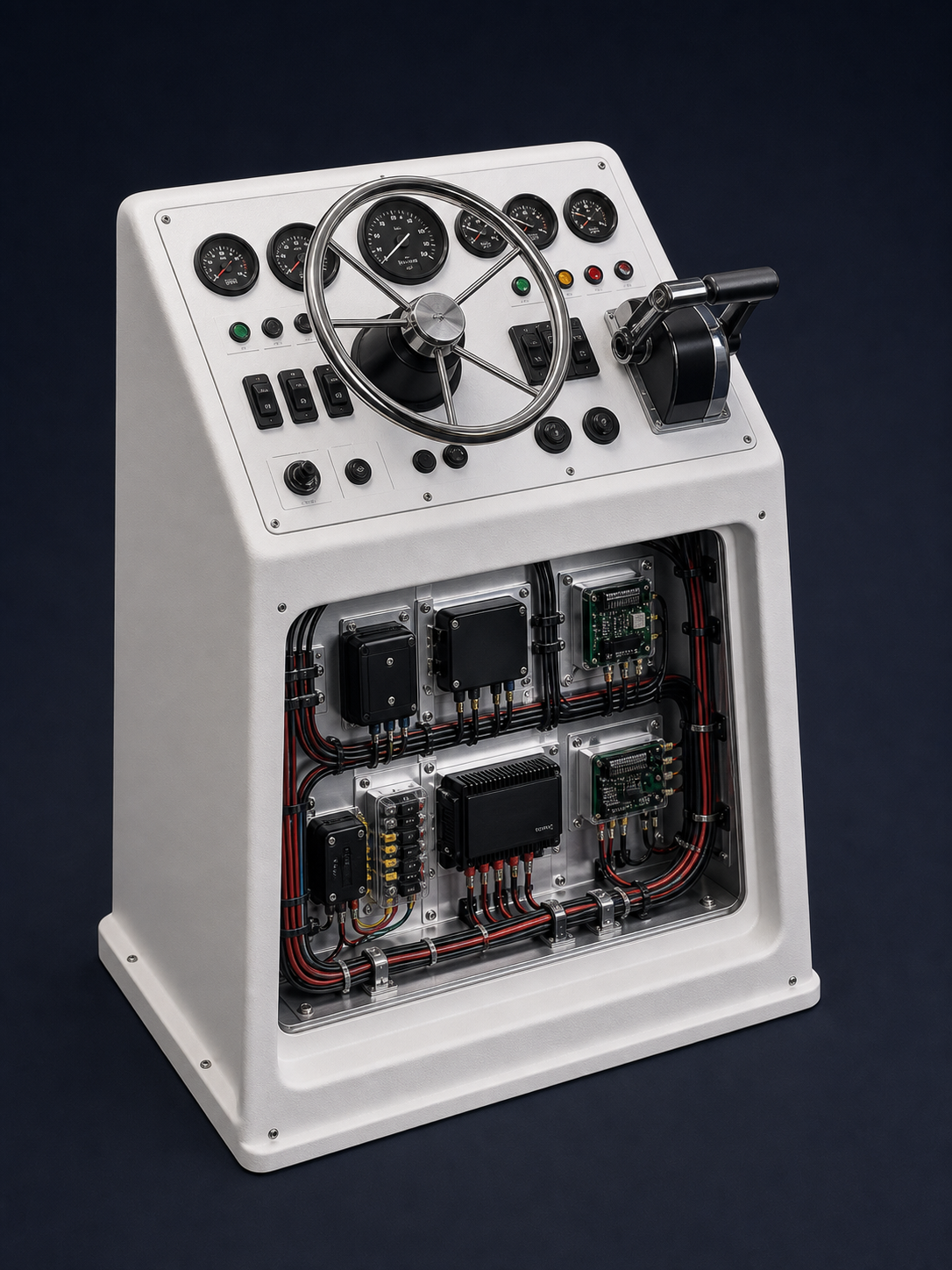
MEASURECapture the existing helm and field constraints
DESIGNDevelop the dashboard, electronics, enclosures, and brackets as one assembly
INTEGRATEBuild a modular system for installation and service
Advanced restoration · Marine electrical · Integrated development
A complete helm modernization designed as one modular electrical and mechanical system.
A boat owner modernizing an older vessel needed more than a replacement dashboard. The project called for a new electrical architecture, custom components, and a rebuilt helm that could bring modern controls and monitoring into the existing boat.
Over a series of working sessions, ncKraft helped translate field measurements and installation constraints into CAD models of the individual components and a complete digital assembly. That shared model provided the foundation for the dashboard, electronics, enclosures, panels, and mounting hardware.
The system was developed with a modular mindset so its mechanical and electrical elements could come together as coordinated assemblies rather than a collection of unrelated custom parts.
What we built
- Field measurements, component CAD models, and a complete helm assembly for fitment planning
- Custom relay enclosures, printed circuit boards, and logic circuitry for critical engine monitoring functions
- A new dashboard and CNC-machined panels, brackets, and enclosure interfaces designed to work together
Result: A coordinated, modular foundation for rebuilding the helm with modern electrical controls, engine monitoring, and purpose-built mechanical components.
PROJECT / 03
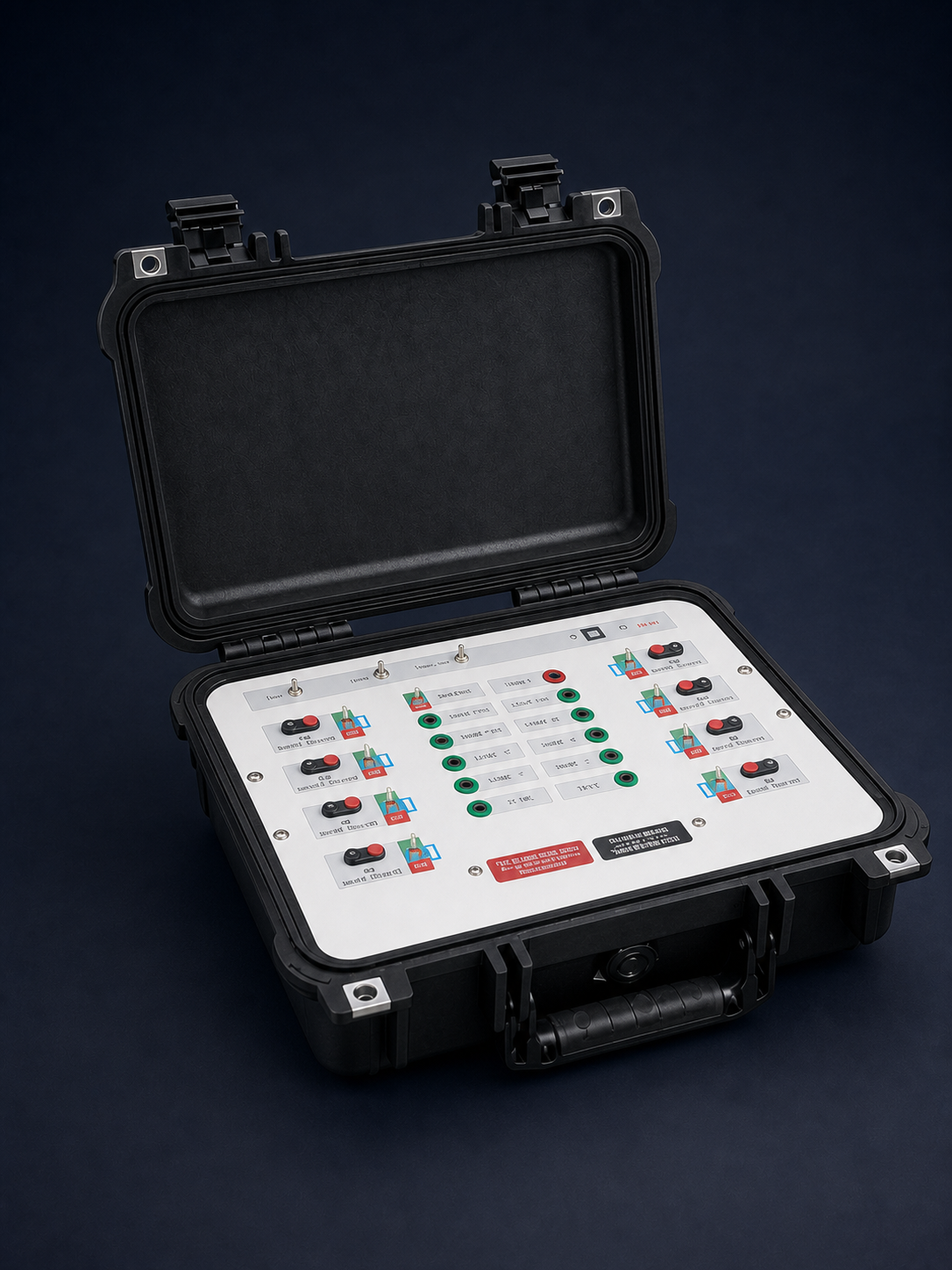
ACCESSOne non-invasive connection point
MONITORLive data capture and interpretation
EMULATEKnown conditions reproduced for guided fault isolation
Professional industrial system · Diagnostics · Integrated product development
A field-ready diagnostic, simulation, and emulation system that turned days of troubleshooting into hours.
A technical team needed a faster way to diagnose a complex electromechanical control system. The system combined multiple sensors, distributed wiring, a control computer, and controlled outputs while also monitoring operating speed and hydraulic pressure to confirm that each function occurred under the correct conditions.
After studying the system, ncKraft identified a single, non-invasive point of entry as the safest and most useful approach. We researched existing acquisition hardware before developing anything custom and selected DATAQ modules to capture the raw signals.
The finished product required the entire unit to be developed as one system: enclosure and assembly design, machined interface components, electronic integration, operator controls, data acquisition, software, and functional testing.
What we built
- A robust field assembly with a purpose-built enclosure, machined interface hardware, connectors, LED feedback, and discrete controls
- Integrated data-acquisition electronics and wiring organized around a single service connection
- Software that graphs live data, simulates and emulates defined input conditions, interprets system response, and flags abnormal behavior
Result: Troubleshooting that could take days was reduced to as little as three hours. The completed capability also attracted additional projects involving similar system faults.
Need one deliverable or help solving the complete problem?
Start with the goal, known constraints, and what you need to make, learn, test, or improve.